an interface is a shared boundary across which two or more separate components of a computer system (Wikipedia contributors, 2024a)
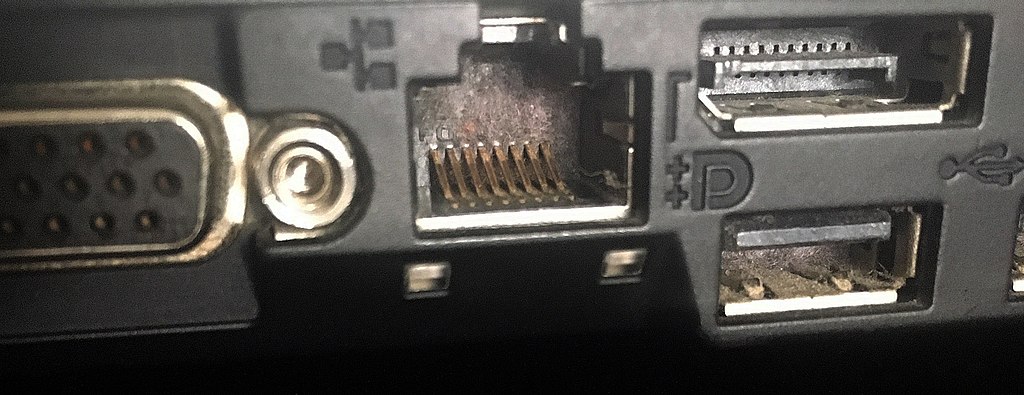

Ethernet 1000BASE-T | DisplayPort 1.2 | USB 2.0
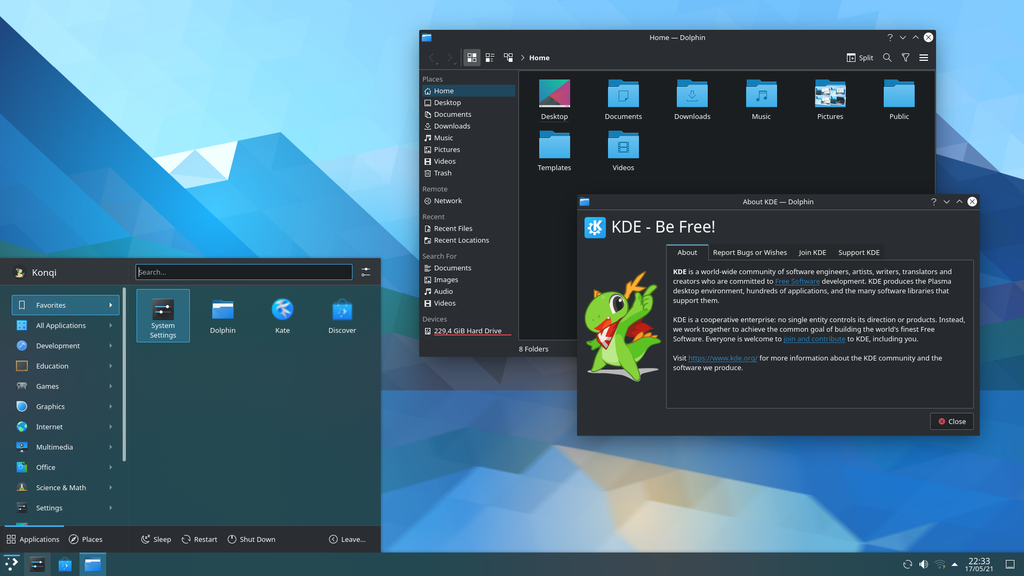

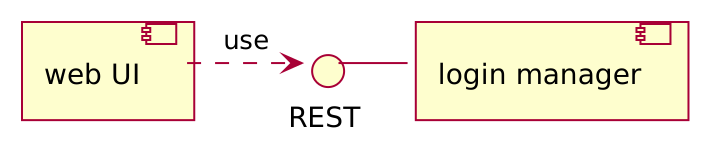
interface is an aggreement
- how a module / component will work
- so as long as the agreement is complied the components do not need to
know about the internal structure/work of the other components
- separation of concerns
- single responsibility principle

a 327 Million Dollar interface miscommunication
NASA and Lockheed Martin mixed up units for the Mars Climate Orbiter (1999)
- spacecraft sent values back to Earth in Newton seconds (kg⋅m/s)
- the software in the ground station read those results as pound
seconds
- the guidance and navigation teams was off by a factor of 4.45 times
- this led to a miscalculated trajectory, which doomed the probe and the mission
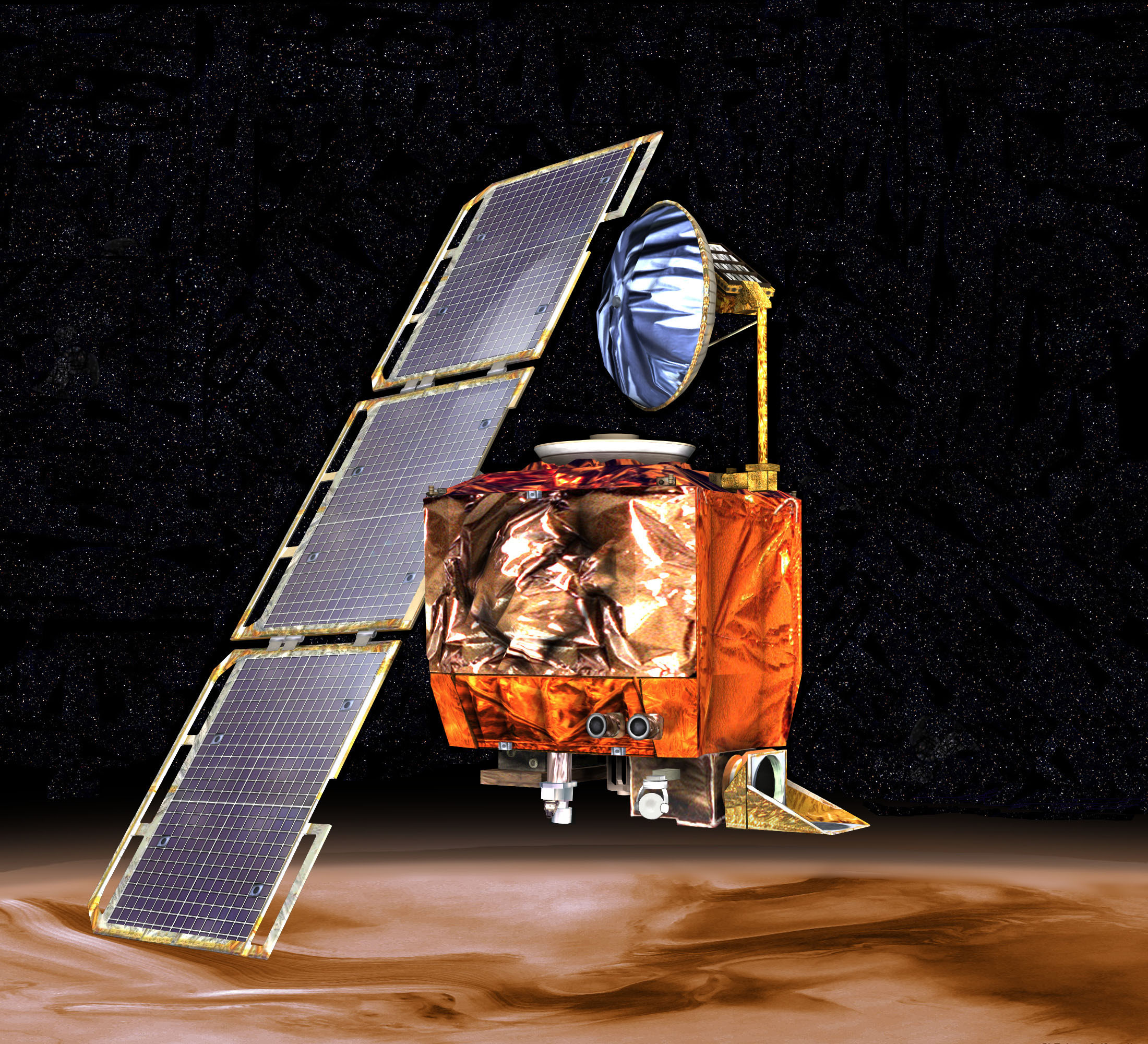

based on (Dodd, 2020), read the full story written by Tim Dodd

the most important elements of the design are the interfaces, hexagonal arcitecture focuses on them
discussion
if the code is AI generated then the focus has to go elsewhere and I think the focus will go to the interfaces and to the types
Martin Odersky, creator of the Scala programming language
the quote goes on…
So, I expect types will become a lot stronger and more precise than what we had because types are essentially the handle that we can make a contract between the human and the AI that a human can understand and concise enough to be reviewed.
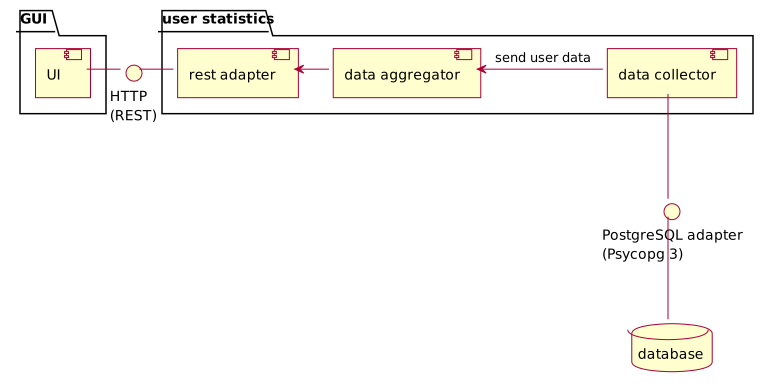
user statistics - C4 component
focus on the interface
between the UI and
the user statistics
module

sends user statistics in JSON via a REST endpoint
- what is in the JSON?
- which endpoint?
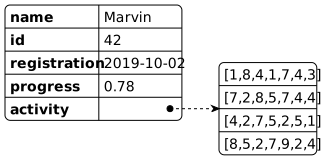
/user/<id>/statistics
user statistics example - interfaces
data sent to the UI
specify
- the JSON schema
- endpoint
- etc.
interface mocking
- an interface is a boundary where a module can be separated
- in the user statistics example there are two parts: a backend and a frontend
- with a well defined interface, the frontend can work regardless of the
backends’s state
- e.g., using a mock backend
A mock, in software engineering, is a simulated object or module that acts as a stand-in for a real object or module (GeeksforGeeks, 2019).
user statistics - mock backend
require 'sinatra'

def generate_progress
  rand.round(2)
end

def generate_activity_matrix
  result = []
  (1..4).each do |_w|
    daily = []
    (1..7).each do |_d|
      daily.push rand(10)
    end
    result.push daily
  end
  result
end

get '/user/:id/statistics' do
  data = {}
  data['name'] = 'Marvin'
  data['id'] = params['id']
  data['registration'] = '2019-10-02'
  data['progress'] = generate_progress
  data['activity'] = generate_activity_matrix
  return data.to_json
end
http://localhost:4567/user/42/statistics
{
    "name": "Marvin",
    "id": 42,
    "registration": "2019-10-02",
    "progress": 0.92,
    "activity": [
        [4,9,7,4,7,1,8],
        [9,8,1,8,4,1,7],
        [3,6,8,4,2,4,5],
        [3,5,5,3,2,9,7]
    ]
}
- randomizes the matrix and the progress
- uses the ID from the path
- returns constant name and registration date
frontend development
a mock backend should be enough for a frontend developer to create and test the user statistics view of the user interface
decreased dependency between developers/teams
{
    "name": "Marvin",
    "id": 42,
    "registration": "2019-10-02",
    "progress": 0.92,
    "activity": [
        [4,9,7,4,7,1,8],
        [9,8,1,8,4,1,7],
        [3,6,8,4,2,4,5],
        [3,5,5,3,2,9,7]
    ]
}
it may be presented to the customer
fast feedback, agile, and so on…

do not change the interface (without notice)
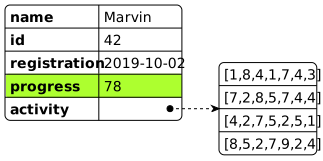
this will break the frontend
it is not just rude, but will waste the time of the other team (with pointless debugging)
do no break the userland
the number one rule of kernel development is that “we don’t break users”
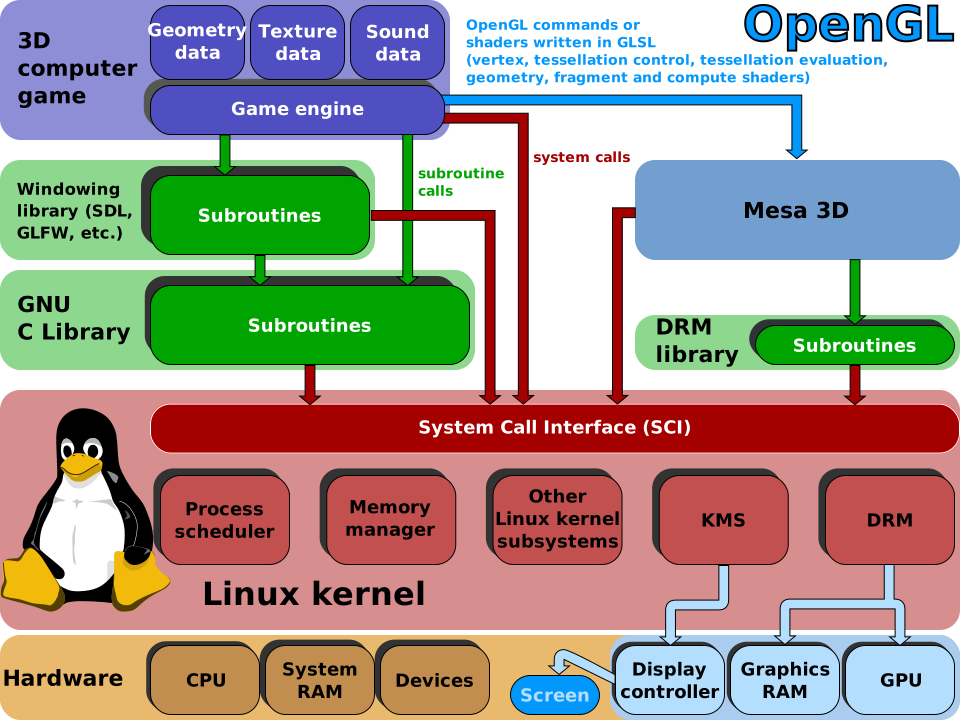

API changes should be communicated
- during design / development
- change can be necessary / allowed, but communicate towards the impacted teams
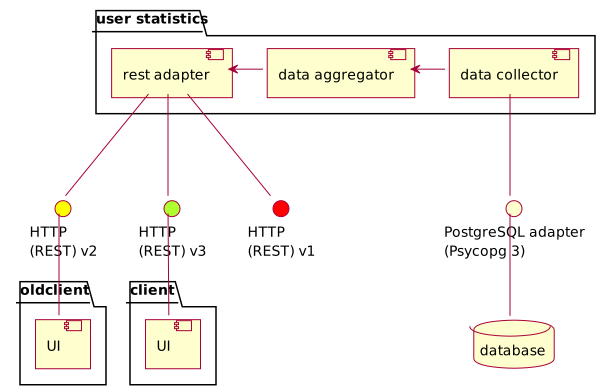
- diagrams show inner dependencies
- services announce API deprecations
- so as library / framework developers
- can be a source of new issues even if downstream code is not changed

API versions
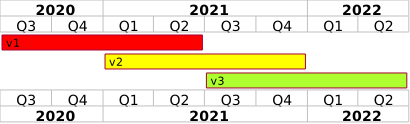
- 2021-06-30: API v1’s end of live
- service does not accept connections via APIv1
- code can be removed (no need to maintain it anymore)
https://developers.facebook.com/v21.0/me?fields=id,name
language level
GeoPandas 1.0 / new deprecations: unary_union attribute is now deprecated and replaced by the union_all() method (#3007) allowing opting for a faster union algorithm for coverages (#3151)
from shapely import Polygon
import geopandas as gpd

p1 = Polygon([[1, 2], [3, 2], [3, 4], [1, 4]])
p2 = Polygon([[2, 3], [4, 3], [4, 5], [2, 5]])

gpd.GeoDataFrame(geometry=[p1, p2]).unary_union
DeprecationWarning: The ‘unary_union’ attribute is deprecated, use the ‘union_all()’ method instead.

def unary_union(self):
    warnings.warn(
        "The 'unary_union' attribute is deprecated, "
        "use the 'union_all' method instead.",
        DeprecationWarning,
        stacklevel=2,
    )
    return self.union_all()
source: github.com/geopandas/geopandas
java
public class Worker {
    /**
     * Calculate period between versions
     * @deprecated
     * This method is no longer acceptable to compute time between versions.
     * <p> Use {@link Utils#calculatePeriod(Machine)} instead.
     *
     * @param machine instance
     * @return computed time
     */
    @Deprecated(since = "4.5", forRemoval = true)
    public int calculate(Machine machine) {
        return machine.exportVersions().size() * 10;
    }
}
source: (Ozler, 2019)
IDEs can parse the deprecation decorators and show to the developer during work
discussion: Hyrum’s Law
With a sufficient number of users of an API,
it does not matter what you promise in the contract:
all observable behaviors of your system
will be depended on by somebody.– Hyrum Wright, 2012
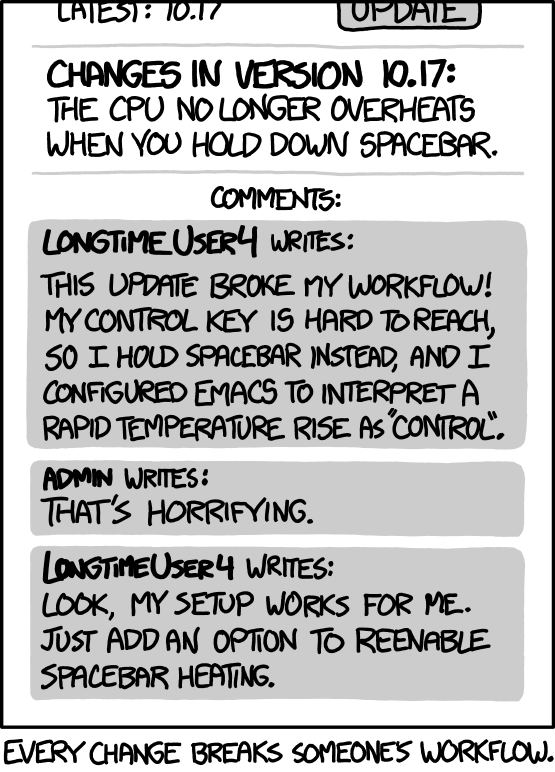
example to Hyrum’s Law
/user/<id>/statistics
{
    "name": "Marvin",
    "id": 42,
    "registration": "2019-10-02",
    "progress": 0.92,
    "activity": [
        [4,9,7,4,7,1,8],
        [9,8,1,8,4,1,7],
        [3,6,8,4,2,4,5],
        [3,5,5,3,2,9,7]
    ]
}
no documented /users endpoint, but existing implementation
get '/users' do
  data = {"ids" => [42]}
  return data.to_json
end
sooner or later someone will discover the undocumented behavior and depend on it
think like a villian, someone who’s going to abuse the system that you’re designing and building
discussion: Postel’s law
Be conservative in what you do, be liberal in what you accept from others.
– Jon Postel, in the specification of TCP in 1980 (RFC 761) source: Postel’s Law by Dr. Milan Milanović
Postel’s law / robustness principle
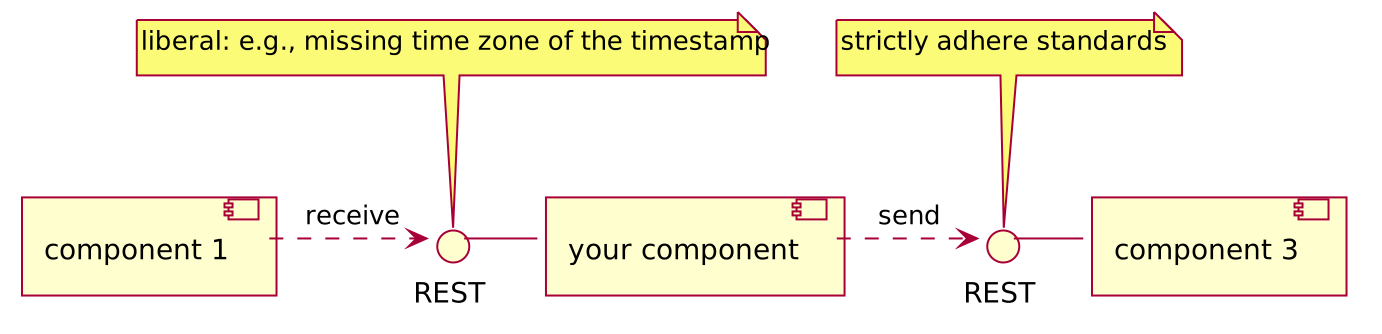
When receiving data, handle variations, minor errors, or deviations where possible. Don’t crash or reject communication over minor issues.
When your system emits data or interacts with the outside world, adhere closely to protocols and standards.
In modern times, overly liberal acceptance can sometimes mask errors, so this law is occasionally tempered with security considerations.
source: Laws of Software Engineering / Postel’s Law by Dr. Milan Milanović
summary
- like an agreement
- shared boundary across two or more components
- a boundary where a module can be separated
- separation of concerns
- hides inner details
- communicate change
- between teams during design
- API level
- code level
- Hyrum’s Law
- Postel’s law / robustness principle
references
Dodd, T. (2020). Metric vs imperial units: How NASA lost a 327 million dollar mission to mars. https://everydayastronaut.com/mars-climate-orbiter/ .
GeeksforGeeks. (2019). MOCK (introduction) – software engineering. https://www.geeksforgeeks.org/software-engineering-mock-introduction/ .
Ozler, H. (2019). Java @deprecated annotation. https://www.baeldung.com/java-deprecated .
Wikipedia contributors. (2024a). Interface (computing) — Wikipedia, the free encyclopedia. https://en.wikipedia.org/w/index.php?title=Interface_(computing)&oldid=1244878409.
Wikipedia contributors. (2024b). Mars climate orbiter — Wikipedia, the free encyclopedia. https://en.wikipedia.org/w/index.php?title=Mars_Climate_Orbiter&oldid=1248652445.