project assignment
gergo.pinter@uni-corvinus.hu
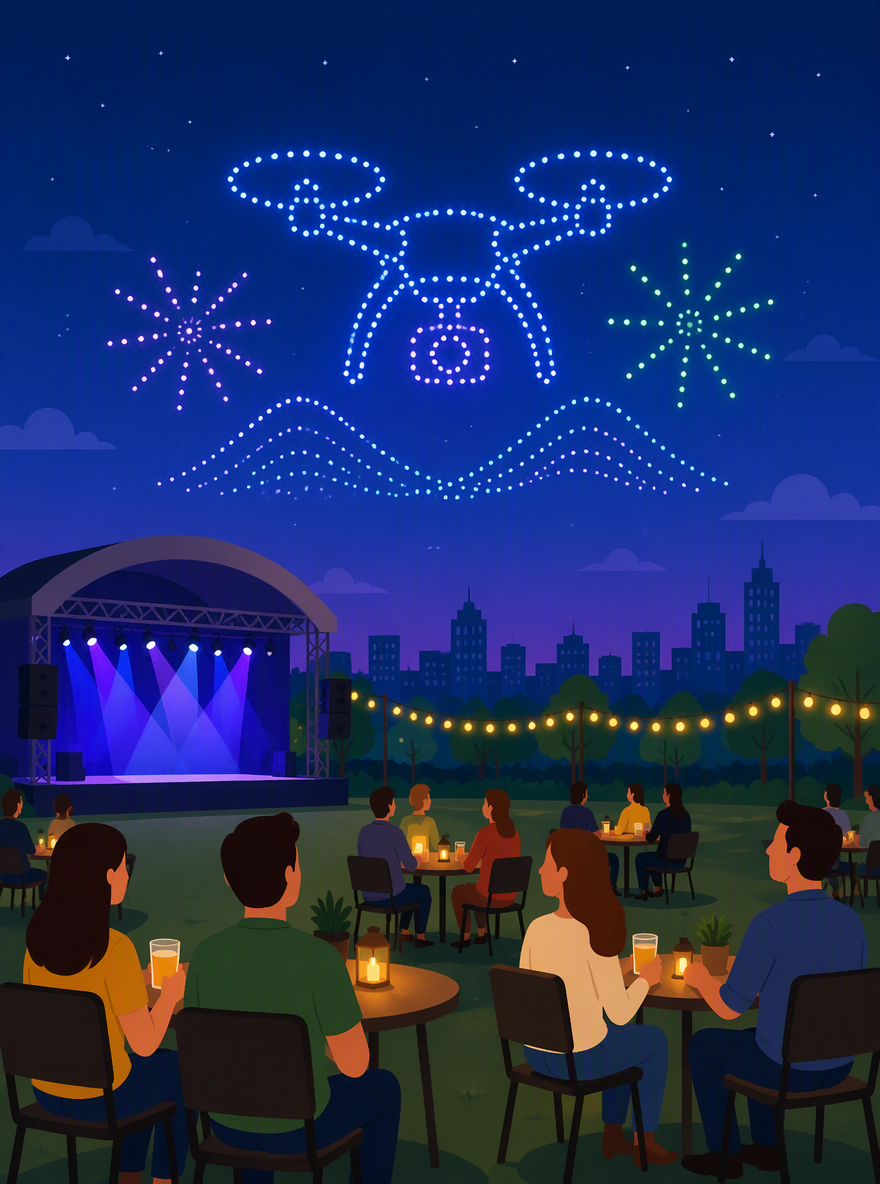
drone show example

- example
- background
-
How Drone Shows Work
by Julius Moorman
choreography design in focus
- the client company wants to design and operate the show
- the software has to focus on the choreography design
- not the software running on the drone
- you can assume there’s a software (SDK) from the drone manufacturer
- which deals with the hardware
- it is an external “component” of the software system
architecture sketch

There are some dependency between the modules. For example, the shape design produces reusable shapes, so the animation depend on the a shape design.
shape design
- responsible for creating models/shapes/objects
- saving, loading, modifying
- 3D sculpting
- the exported model is used by the animation component
DEMO: Nomad Sculpt – a web-based sculpting and painting application

animation
- responsible for animating premade models
- in a 3D space and time
- handles a timeline, which consist of frames
- each frame holds some models in a position, orientation, color
- allows modifications of a model
- computes transformations between frames
2D DEMO: Motionity – a web-based motion graphics editor


animation GUI mockup
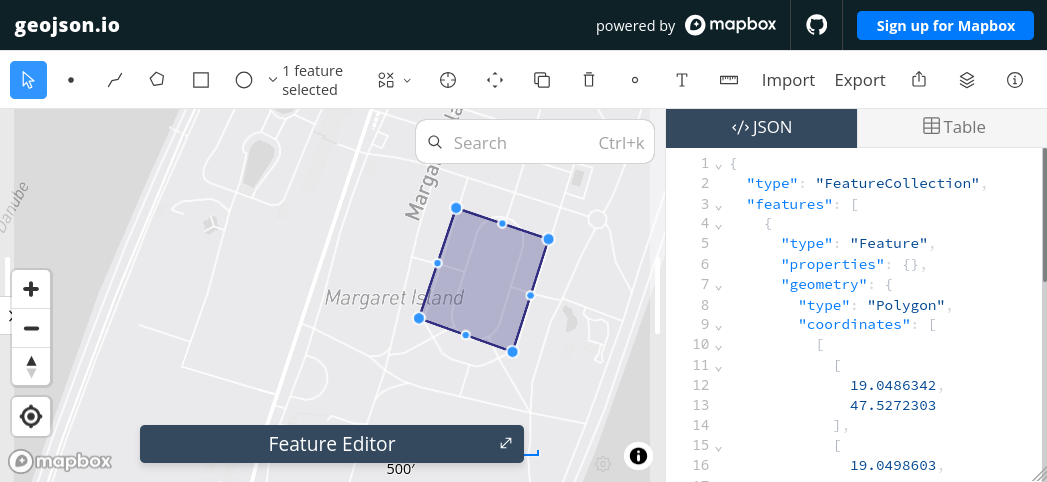
geo-mapping
- responsible for determining the location of the drone show
- using GPS coordinates
- the height as well so the result is a 3D hull
- saving/loading/editing area/volume description files
- mapping the animation trajectory to real world (GPS) coordinates
- DEMO: geojson.io
operation
- responsible for starting / stopping the show
- monitoring the drones during the show
- check the status of the drones / environment
- makes it possible to preview the show
- initiate uploading trajectories
- show choreography
- download telemetry from the drones

not architecture, sketch

- data flow sketch
- drone vendor SDK can be assumed
- lines between the software and the drone are not part of the assignment
- this figure is not comprehensive!
shape model
animating by relocating the points
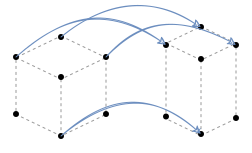
animating by modifying the skeleton
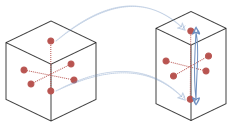
first seems easier on the developer side, but results tedious work for the choreographer animating an object consisting hundreds of points
using a solid body model, later the model is converted to a polygon mesh
DEMO: Mesh2Motion, Maximo
not architecture, sketch
more like usage roles than actual components in terms of architecture

- there are shared components practical to implement once
- this figure is not comprehensive!
component sketch


- each color is a responsibility area
- this figure is not comprehensive!
remember: it’s like gardening
- there’s a plan how this software would look like
- yours can be different and it’s perfectly fine
- you’re free to choose any solution that doesn’t conflict with the
description
- which is deliberately underspecified
- the assignment values the process and the effort you put in work

diagrams
- user stories
- user story maps
- C4 diagrams: container and component
- flowcharts
- data flow diagram if needed
- optionally data structure description
- could be UML
- UI mockups
work in agile methodology
- imagine how you would use a software like this
- what functions would you need
- identify dependencies between the features / modules
- plan sprints with usable increments
- deadline: 2 December 2026 (week 12)
- when the team also presents the work as a presentation (10 minutes)
- practical classes are workshops
- main source of feedback from the instructor
- NO CODING

suggested software for
- the document: Google Docs
- user story map:
- flowchart: Google Drawings, draw.io
- C4:
- UML: excalidraw, draw.io, PlantUML
excalidraw has excelent shared work functionality

submission
- you have to submit the main design document
- you may indicate who was responsible for each part
- including every diagram, and UI mockup
- please keep every version of the diagrams and attach them to the submission as I would like to see the evolution of your design
- and the presentation
you have to submit these (zipped) by 2 December 2026 via Moodle, when you also present your work
it is enough to upload it by one person from each team

presentation
- the presentation should contain the purpose of the software
component
- based on the project assignment
- but with your interpretation
- team members
- with responsibilities
- the introduction of your design
- from high level to the low level (according to C4)
- describe the overall design
- highlight on the interactions / interfaces between the components
- attach UI mockups when necessary

questions?